Frequently Asked Questions
What does hardscaping include?
Hardscaping includes the non-plant elements of landscaping, such as patios, walkways, retaining walls, decks, fences, and other paved surfaces that enhance outdoor spaces while providing functional and aesthetic benefits to your property.
What are hardscaping services?
Hardscaping services refer to the design and installation of non-plant elements in landscaping, such as patios, walkways, retaining walls, and outdoor structures. These features enhance outdoor spaces, provide functionality, and complement the natural elements in your yard.
Does hardscaping add value to home?
Hardscaping adds value to a home by enhancing curb appeal, increasing usable outdoor space, and improving property functionality. Thoughtfully designed features, such as patios, walkways, and retaining walls, can significantly boost a home's overall market value.
How much does hardscaping add to home value?
Hardscaping significantly enhances home value by improving curb appeal and functional outdoor spaces. On average, it can increase property value by 10% to 15%, depending on the quality and design of the installations.
Is hardscaping a good investment?
Hardscaping is a valuable investment for enhancing your property's aesthetics and functionality. It increases curb appeal, boosts property value, and provides durable outdoor spaces for relaxation and entertainment.
What types of materials are used in hardscaping?
The types of materials used in hardscaping include concrete, stone, brick, pavers, and gravel, which are commonly utilized for patios, walkways, walls, and other outdoor structures to create durable and attractive landscapes.
How does hardscaping affect drainage systems?
Hardscaping significantly impacts drainage systems by directing water flow and preventing erosion. Properly designed hardscape elements, like patios and retaining walls, help manage runoff, ensuring that water is efficiently directed away from structures and landscaped areas.
Can hardscaping reduce lawn maintenance needs?
Hardscaping can significantly reduce lawn maintenance needs by minimizing the areas that require regular mowing, watering, and fertilization. Incorporating elements like patios, walkways, and retaining walls creates beautiful spaces that require less upkeep than traditional lawns.
What are common hardscaping design styles?
Common hardscaping design styles include contemporary, traditional, rustic, and Mediterranean, each offering unique materials and layouts that enhance outdoor spaces and complement landscaping elements for a cohesive aesthetic appeal.
How long does hardscaping installation take?
The duration of hardscaping installation varies based on project complexity. Generally, installations can take anywhere from a few days to several weeks, depending on size, materials, and weather conditions.
What maintenance is required for hardscaping?
The maintenance required for hardscaping includes regular cleaning to remove debris, periodic sealing to protect surfaces, and ensuring that joints and edging remain intact to prevent weed growth.
Are there environmentally friendly hardscaping options?
Environmentally friendly hardscaping options do exist. Sustainable materials like permeable pavers, recycled stone, and natural wood can be used to create beautiful outdoor spaces while minimizing ecological impact and promoting water drainage.
What professionals should install hardscaping?
The professionals who should install hardscaping are typically landscapers, masons, or specialized hardscape contractors. These experts possess the necessary skills and experience to ensure quality and durability in your outdoor installations.
How does hardscaping improve curb appeal?
Hardscaping significantly enhances curb appeal by integrating structured elements like patios, walkways, and retaining walls that define and beautify outdoor spaces. These features create visual interest and complement landscaping, making properties more inviting and aesthetically pleasing.
What is the difference between hardscape and landscape?
The difference between hardscape and landscape lies in their components: hardscape refers to non-plant elements like patios, walkways, and retaining walls, while landscape encompasses the living aspects, such as plants, soil, and natural features, enhancing outdoor aesthetics.
Can hardscaping be added to existing yards?
Hardscaping can be added to existing yards. Our team at Foran Lawn & Yard specializes in seamlessly integrating patios, walkways, and stone features into your current landscape, enhancing both functionality and aesthetics.
What costs are associated with hardscaping?
The costs associated with hardscaping include materials, labor, design, and installation. Depending on the complexity and size of the project, these expenses can vary significantly, so it's essential to get a detailed estimate tailored to your specific needs.
Do hardscaping features require permits?
Hardscaping features often require permits depending on local regulations. It's essential to check with your municipality to ensure compliance with any zoning laws or building codes before starting your project.
What are popular hardscaping materials for patios?
Popular hardscaping materials for patios include pavers, natural stone, brick, and concrete. Each material offers unique aesthetics and durability, allowing for customized designs that enhance outdoor living spaces.
How can hardscaping enhance outdoor living spaces?
Hardscaping enhances outdoor living spaces by incorporating non-plant elements like patios, walkways, and retaining walls. This creates functional areas for relaxation and entertainment while improving aesthetic appeal and increasing property value.
What is the lifespan of hardscaping materials?
The lifespan of hardscaping materials varies based on the type used and environmental conditions. Generally, materials like concrete and pavers can last 25 to 50 years with proper maintenance, while natural stone may exceed 100 years.
How should I plan my hardscaping project?
Planning your hardscaping project involves assessing your outdoor space, defining your goals, setting a budget, and creating a design that complements your landscape. Consult with professionals to ensure customized and functional solutions that enhance your property's aesthetics.
What are the benefits of proper hardscaping?
The benefits of proper hardscaping include enhanced curb appeal, increased property value, and improved functionality of outdoor spaces. It also reduces soil erosion and minimizes maintenance needs, creating a durable landscape that complements your home's aesthetics.
Can hardscaping create outdoor seating areas?
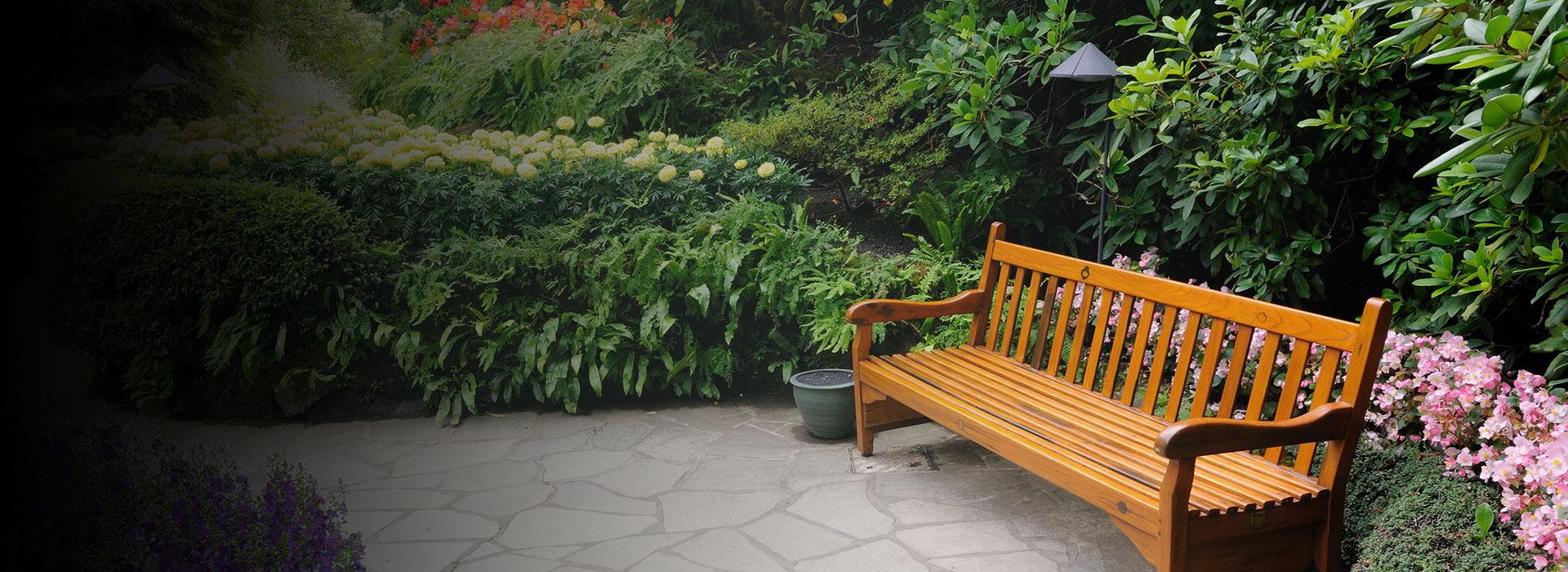
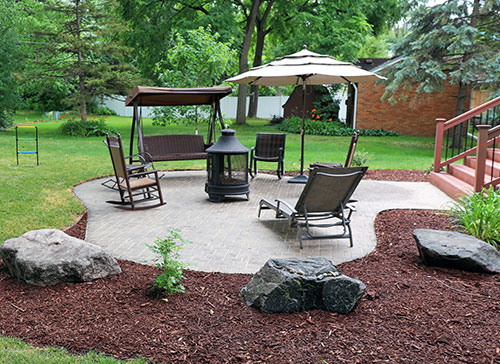
Hardscaping can indeed create inviting outdoor seating areas. By incorporating materials such as stone, pavers, or gravel, we can design functional spaces that enhance your landscape and provide comfortable spots for relaxation and entertainment.
What are the best plants for hardscaped areas?
The best plants for hardscaped areas include low-maintenance options like succulents, ornamental grasses, and ground covers, which thrive in limited soil and can add texture and color without overwhelming the hardscape design.
How can hardscaping improve property value?
Hardscaping can significantly enhance property value by creating visually appealing outdoor spaces that increase curb appeal and functionality. Features like patios, walkways, and retaining walls not only beautify a landscape but also promote a sturdy and low-maintenance environment, attracting potential buyers.
What are common hardscaping mistakes to avoid?
Common hardscaping mistakes to avoid include improper drainage planning, neglecting to consider the scale and proportion of features, and failing to use quality materials suitable for the local climate. These oversights can lead to costly repairs and maintenance issues.
Can hardscaping include lighting features?
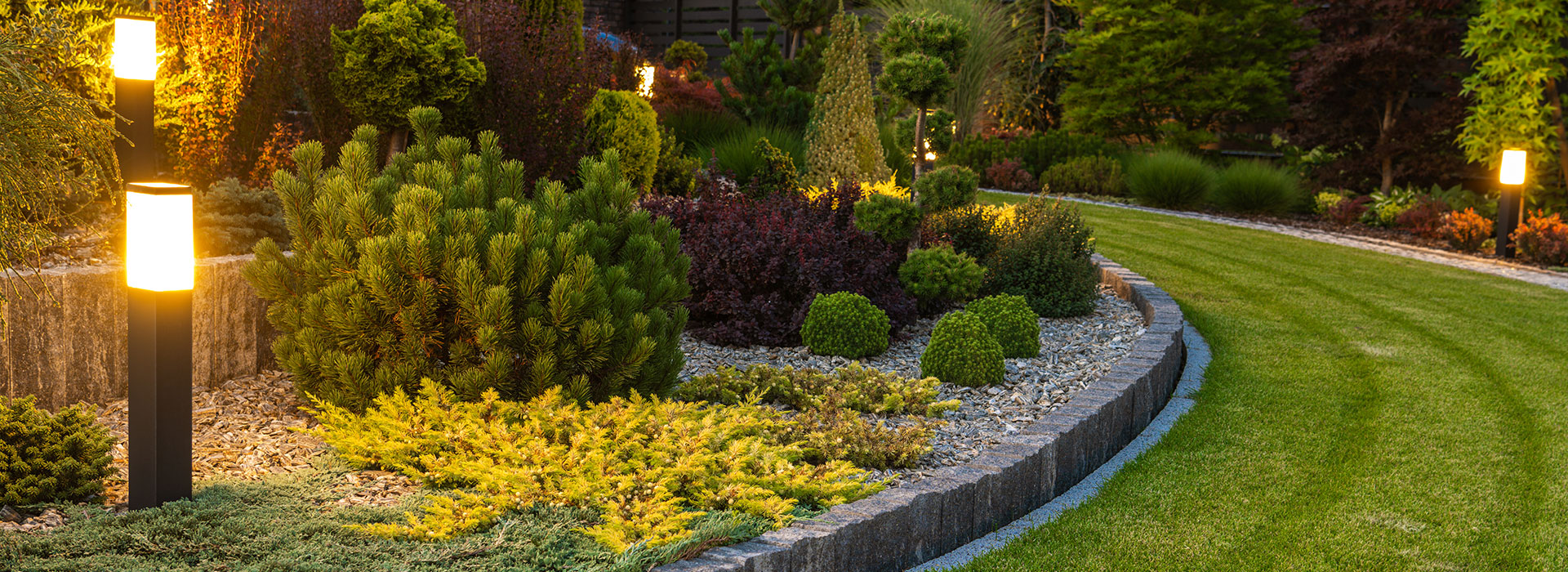
Hardscaping can certainly include lighting features. Incorporating lighting into hardscape designs enhances the visual appeal and functionality of outdoor spaces, creating beautiful and inviting environments for evening use.
What is the role of hardscaping in landscaping?
The role of hardscaping in landscaping is to provide structural elements like patios, walkways, and retaining walls, which enhance the functionality and aesthetic of outdoor spaces while complementing the softscaping elements like plants and lawns.
Does hardscaping require professional consultation?
Hardscaping projects often benefit from professional consultation. This ensures that designs are functional, aesthetically pleasing, and comply with local regulations, ultimately enhancing the overall quality and longevity of your outdoor space.